
Welcome!
We’re glad you found us
We’re constantly updating and adding things as we learn about new resources and opportunities for care partners of people living with neurological conditions and cognitive impairment. We hope you find these resources helpful!
If you’re here to learn about how to get involved with the TDC Co-Lab, scroll to the bottom of the page or click here
Online Information
-
The Alzheimer's Association leads the way to end Alzheimer's and all other dementia — by accelerating global research, driving risk reduction and early detection, and maximizing quality care and support.
-
AFTD’s mission is to improve the quality of life of people affected by FTD and drive research to a cure. We work every day to advance:
Research. We promote and fund research toward diagnosis, treatment and a cure.
Awareness. We stimulate greater public awareness and understanding.
Support. We provide information and support to those directly impacted.
Education. We promote and provide education for healthcare professionals.
Advocacy. We advocate for research and appropriate, affordable services.
-
Our Mission
To optimize the quality of life for those affected by Lewy body dementia, we accelerate awareness, advance research for early diagnosis and improved care, and provide comprehensive education and compassionate support.
-
The Young Caregivers Association® (YCA) is Canada’s leading charity dedicated to service, awareness, and empowerment for Young Caregivers and their families nationwide.
Established in 2003, we provide vital support through programs like our award-winning Powerhouse®, conduct research, and advocate for the recognition and well-being of these often-hidden Young Caregivers, striving for a Canada where they are fully supported and empowered to reach their potential.
-
At Parkinson Canada, we hope to inspire people with Parkinson’s to embrace the wobbles, the wiggles, and the wonky moments. We help people affected by Parkinson’s stand in the light – connected, supported and inspired. We transform every involuntary movement into a symbol of style. Every shuffle into a dance. Every tremor into a beat. We help people living with Parkinson’s to find their joy, their ‘swagger,’ again – or maybe for the first time.
-
Since 2001, federal and foundation funding enabled state and regional social service agencies and organizations to provide Savvy Caregiver programs to tens of thousands of caregivers across the U.S. Savvy programs expand family caregivers’ knowledge of dementia, its progression, and the strategic skills required in the caregiving role. Savvy family caregivers feel more confident, competent, and equipped to manage daily life with their person living with Alzheimer’s disease and other dementias.
-
This guide is designed to help you learn about the changes that occur while living with dementia. You may experience changes that affect your ability to complete thoughts, find words, and remember information and directions. This guide was developed to help you track and write down any important information that you learn from your healthcare visits.
-
Teepa Snow is a social worker. She has a Youtube channel with a lot of practical videos about how to navigate challenges, behavioural changes, and breakdowns in communication.
Sharing practical, compassionate info about dementia (including Alzheimer’s, Lewy body, FTD, vascular, and more) to help family and professional care partners build skills. Subscribe and tap the bell to get notified when new videos are released.
-
Tips on home modification to support safety in the home for older adults and people living with cognitive and physical limitations
-
A resource supported by McMaster University. The website provides educational videos and lessons ranging from what dementia is, to diagnosis, to treatment, to caregiving, and beyond
-
This information sheet provides considerations for deciding if your loved one with dementia should continue living alone.
-
Practice advice from caregivers, for caregivers. Practical advice to help them respond to new challenges while maintaining a meaningful and healthy relationship with a loved one living with dementia.
Information, Programs, and Services
Provincial
-
Education about living well with cognitive impairment and dementia, links to local resources and services, including the FirstLink hotline 1-800-936-6033 (Monday to Friday, 9 a.m. to 8 p.m.)
-
Information to assist you and your family to understand and live with dementia.
-
Lots of local resources (e.g., caregiving coaching sessions) as well as links to resources for specific groups (e.g., young caregivers)
Local
-
Information about support groups, financial and legal issues, care facilities, adult day programs, and other support services
-
Services specifically for care partners including counselling, skill-building groups, self-care strategies, and education
-
social workers who provide a wide range of caregiver support and services to current home health clients
-
-
Deb Chmelauskas, B.Sc., OT provides practical recommendations to support care partners and improve the lives of people living with memory and thinking challenges.
-
Karen Tyrell, CPCA, CDCP provides personalized one-on-one solutions for managing challenges in dementia care and increasing care partner resilience.
Books
-
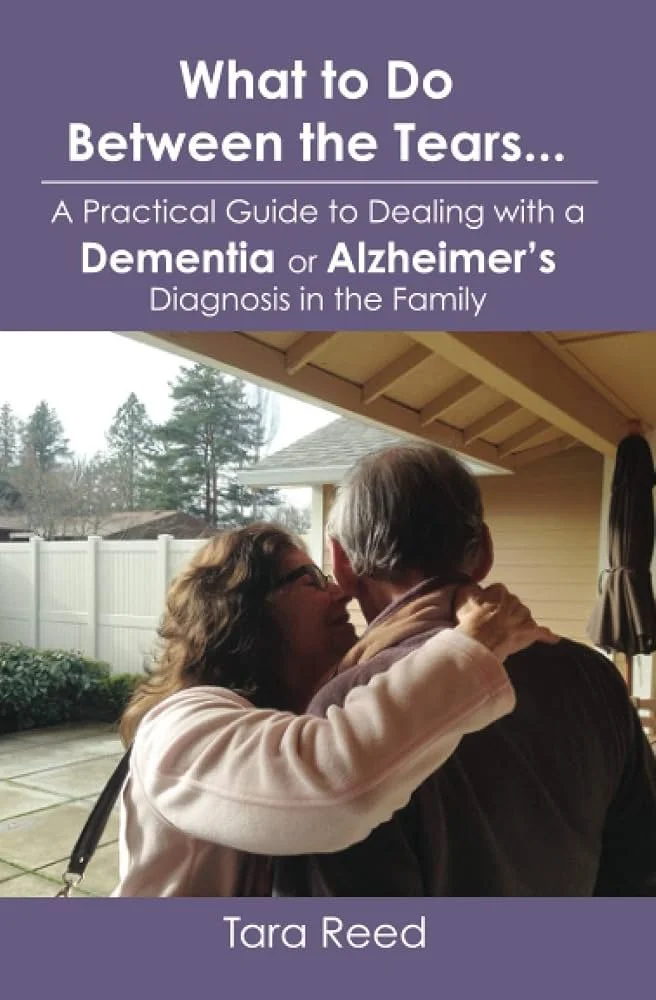
What to Do Between the Tears
This book is the roadmap they created and used through his journey that ended in August of 2016. In "What to Do Between the Tears..." she shares her game plan and her journey with her father’s Alzheimer’s with you.Topics covered in this book include: • Learning More after a Diagnosis • Financial & Legal Considerations • Medical Options & Choices • Self-Care & Support Needs • Choosing In-Home Care or a Care Facility • Connecting with Your Loved One • End of Life Planning • Additional Resources
-
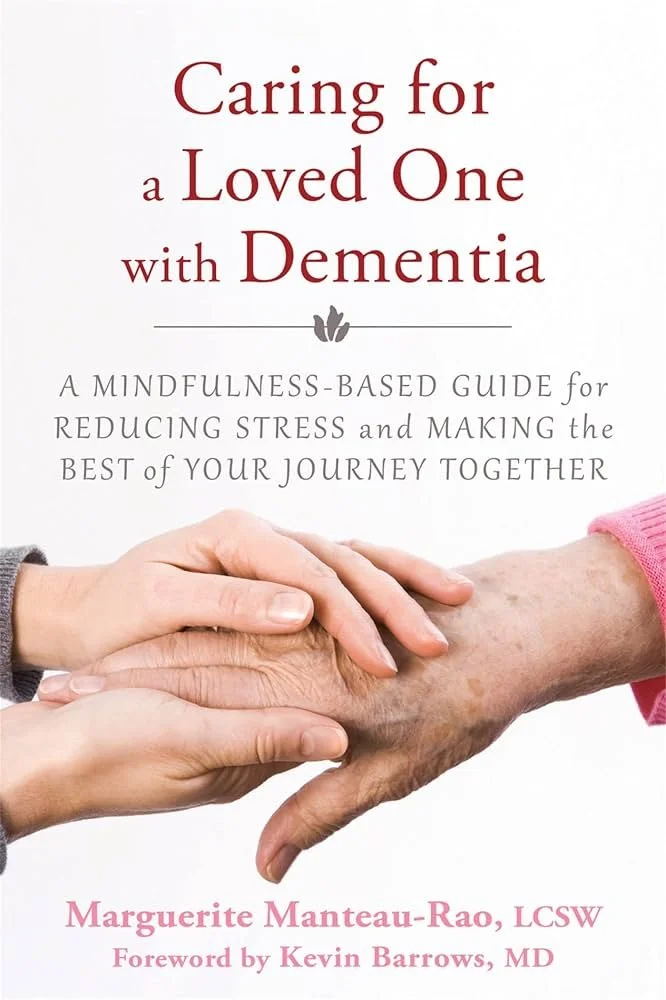
Caring for a Loved One with Dementia: A Mindfulness-Based Guide for Reducing Stress and Making the Best of Your Journey Together
In this book, you’ll learn how to approach caring with calm, centered presence; respond to your loved one with compassion; and maintain authentic communication, even in the absence of words. Most importantly, you’ll discover ways to manage the grief, anger, depression, and other emotions often associated with dementia care, so you can find strength and meaning in each moment you spend with your loved one.
-
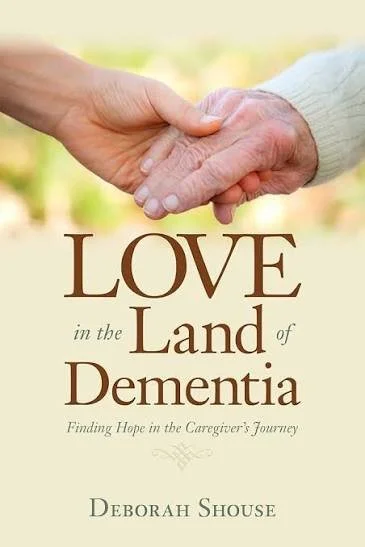
Love in the Land of Dementia: Finding Hope in the Caregiver’s Journey,
Love in the Land of Dementia offers hope to family members, friends, and care partners of people who are living with memory loss. Strong, fluid organization and tender writing distinguish this purposeful and compelling read, which is filled with practical suggestions, compassionate support, and unexpected insights.
-
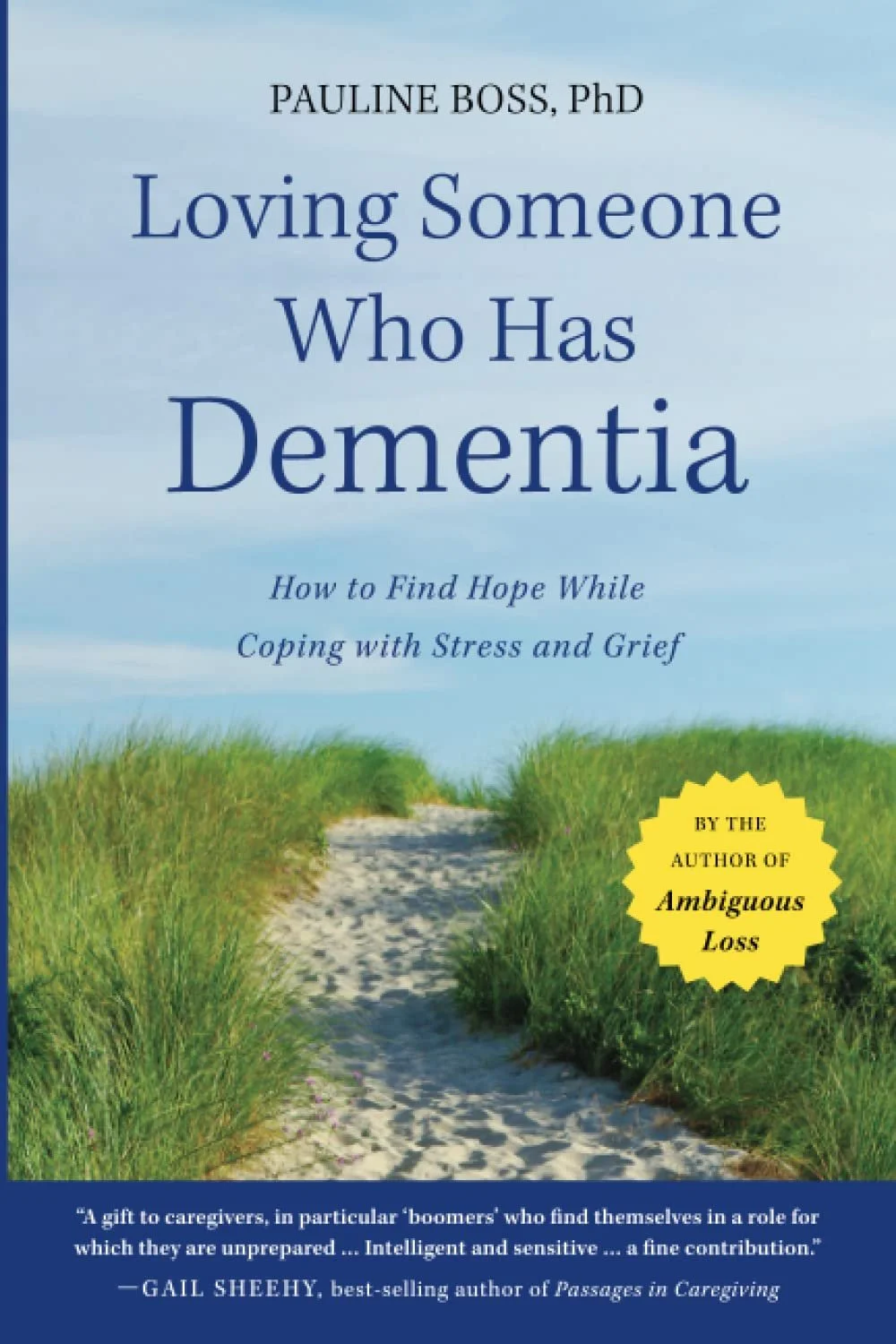
Loving Someone Who Has Dementia
Loving Someone Who Has Dementia is a much-needed guide that offers proven strategies for managing ongoing stress and grief. Dr. Pauline Boss outlines seven guidelines for staying resilient while caring for someone who has dementia and offers hope when experiencing "ambiguous loss" having a loved one both here and not here, physically present but psychologically absent. Loving Someone Who Has Dementia is written for anyone touched by the epidemic of dementia: caregivers, family members, friends, neighbors, as well as educators and professionals. Written in easy-to-understand conversational language, this vital resource is based on solid research and years of clinical practice. Dr. Boss gives you the tools you need to embrace rather than resist the ambiguity in your relationship with someone who has dementia.
-
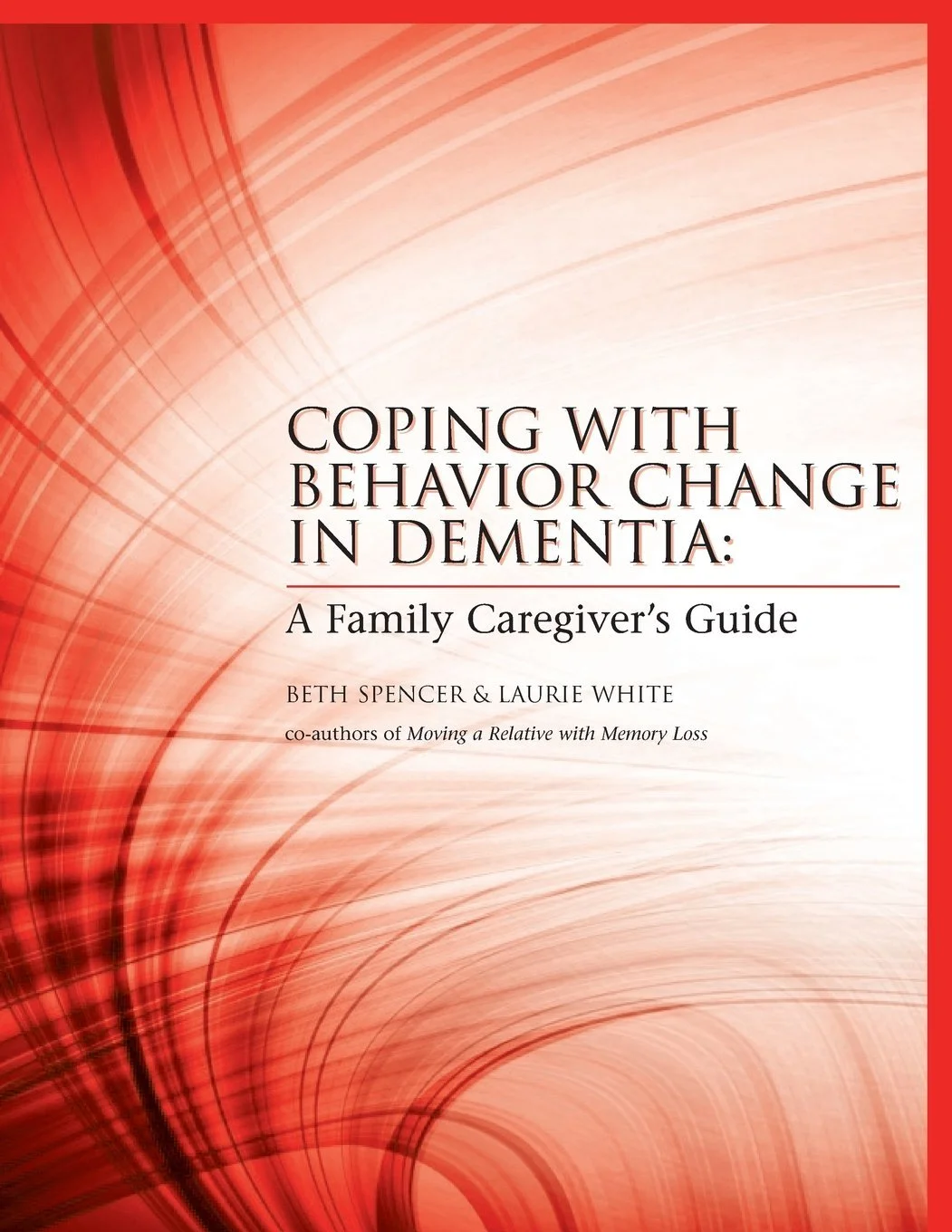
Coping With Behavior Change in Dementia
This handbook is intended to help families understand possible causes of common behavior changes and learn to respond more effectively to behaviors. The book includes strategies for the following: challenges with dressing, eating, bathing, toileting, mouth care; agitation, anxiety, anger and aggression; sleep and sundowning; wanting to go home; wandering, walking or pacing; repetitive behaviors; hallucinations, delusions and paranoia; physical intimacy and sexual behavior. There are also sections about communication and problem-solving, a glossary and an extensive list of other resources.
-
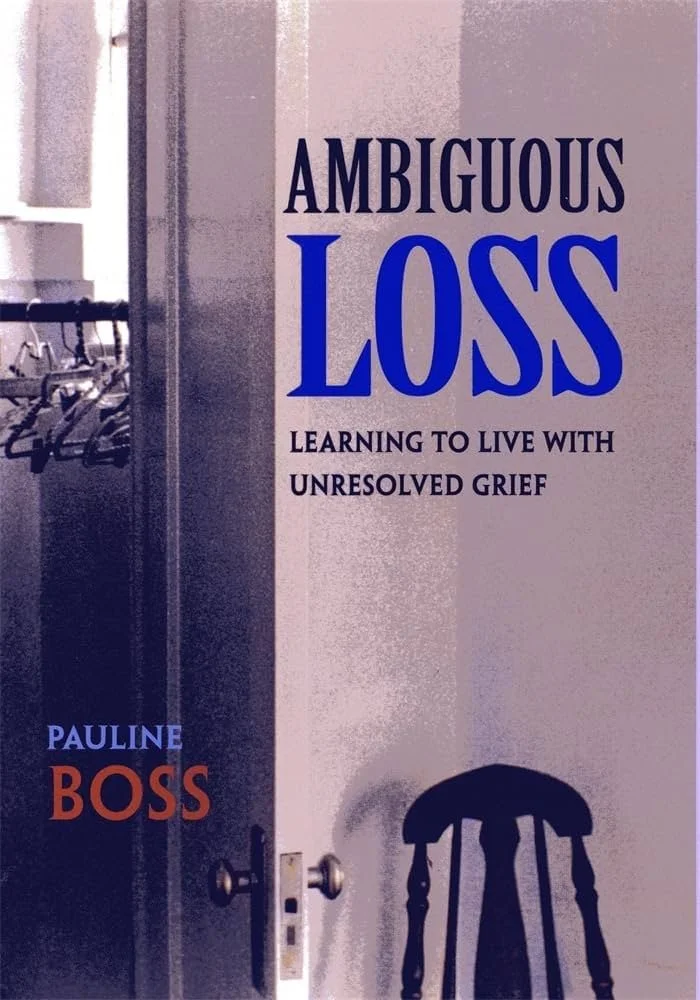
Ambiguous Loss
Pauline Boss explains that, all too often, those confronted with such ambiguous loss fluctuate between hope and hopelessness. Suffered too long, these emotions can deaden feeling and make it impossible for people to move on with their lives. Yet the central message of this book is that they can move on. Drawing on her research and clinical experience, Boss suggests strategies that can cushion the pain and help families come to terms with their grief. Her work features the heartening narratives of those who cope with ambiguous loss and manage to leave their sadness behind, including those who have lost family members to divorce, immigration, adoption, chronic mental illness, and brain injury. With its message of hope, this eloquent book offers guidance and understanding to those struggling to regain their lives.
-
The Best Friends Approach to Alzheimer's Care
Join thousands of caregivers who are adopting this groundbreaking and uplifting method for the care of people with Alzheimer’s disease. This comprehensive program builds on the essential elements of friendship: respect, empathy, support, trust, humor. They’re the building blocks of a care model that’s both effective and flexible enough to adapt to each person’s remaining strengths and abilities. It’s easy. It’s natural. It works. Learn how to ensure the highest quality of life for people with Alzheimer’s disease, not just by preventing catastrophic episodes but by making every day consistently reassuring, enjoyable, and secure. This revised edition includes new material such as an updated and expanded resource list, updated biographies of Best Friends featured in the book, and a new Preface from Virginia Bell and David Troxel. Best FriendsTM—for the best care.
-
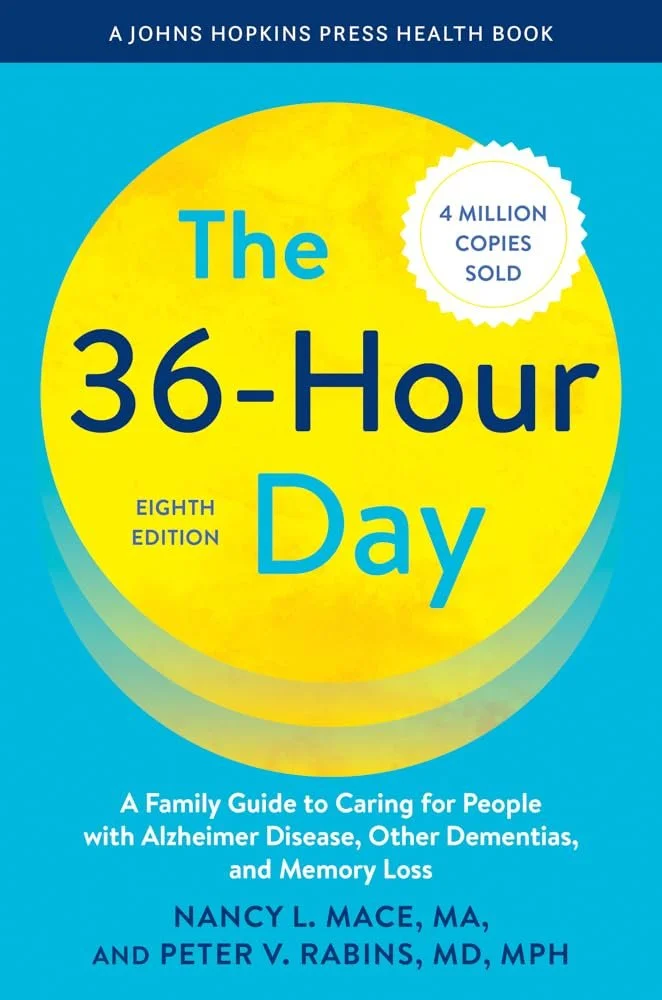
The 36-Hour Day A Family Guide to Caring for persons with Alzheimer’s Disease, Related Dementing Illnesses, and Memory Loss in Later Life
This classic family guide to caring for persons with Alzheimer's disease, related dementia, and memory loss in later life is now available in this user-friendly, oversized mass market edition.
-
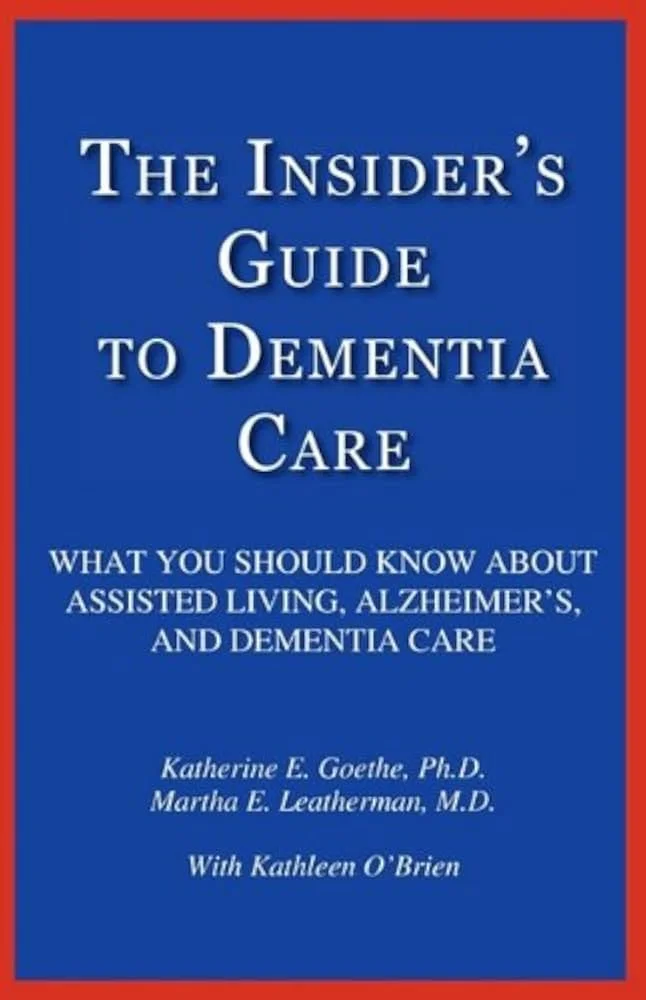
The Insider’s Guide to Dementia Care
The Insider's Guide to Dementia Care strives to inform consumers about the growing crisis of dementia care in assisted living. The authors provide families with the knowledge and resources they need to stand up for the rights of their loved ones: the right to be treated with dignity and the right to be cared for by properly trained professionals. More importantly, the book serves to encourage and motivate readers to take direct action toward the goal of improved care.
-
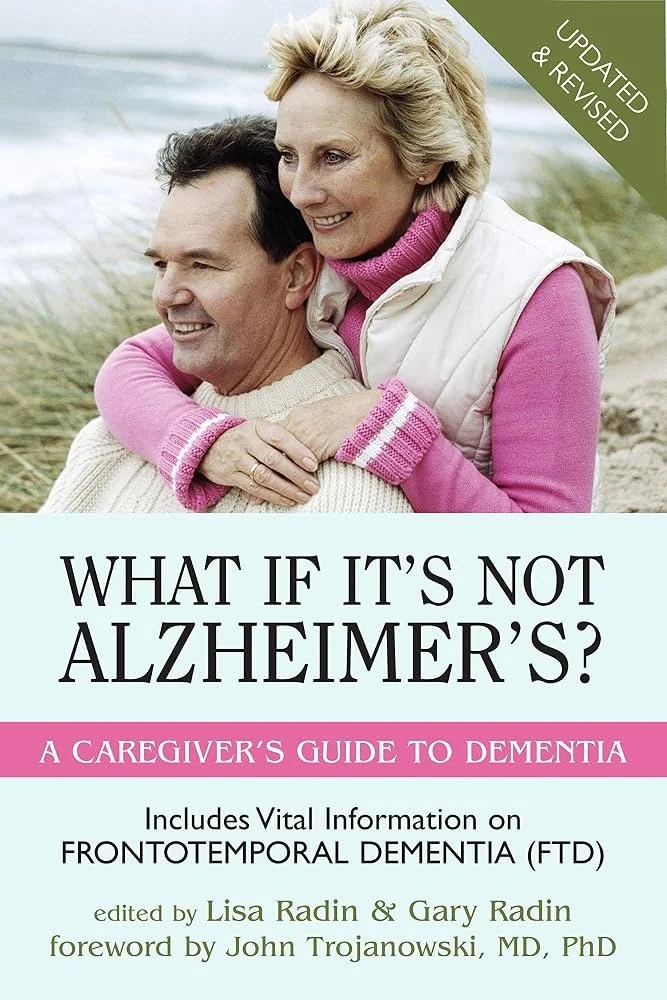
What If It’s Not Alzheimer’s?: A Caregiver’s Guide to Dementia
The only comprehensive guide dealing with frontotemporal degeneration (FTD), the most common form of dementia for people under 60 years of age. The contributors are either specialists in their fields or have exceptional hands-on experience with FTD sufferers.
-
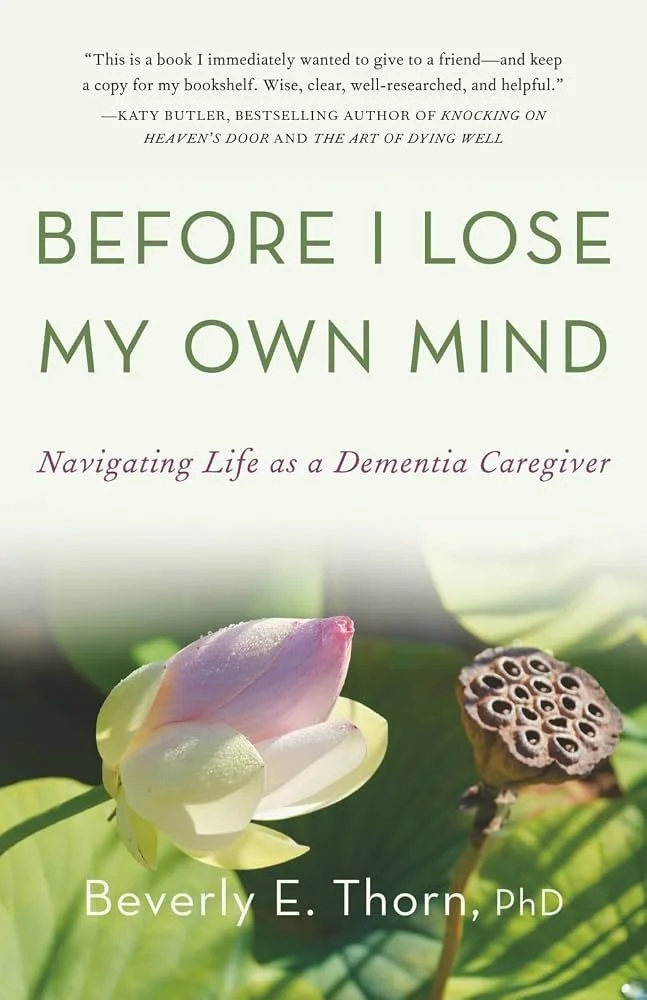
Before I Lose My Own Mind: Navigating Life as a Dementia Caregiver
When Dr. Beverly E. Thorn became a caregiver for her husband, Walt, she joined a massive army. Worldwide, unpaid dementia caregiving requires the equivalent of forty million full-time workers, and that number will only grow. But navigating dementia caregiving can feel like trying to climb a mountain in the dark—and few resources exist to support caregivers in finding their way.
-
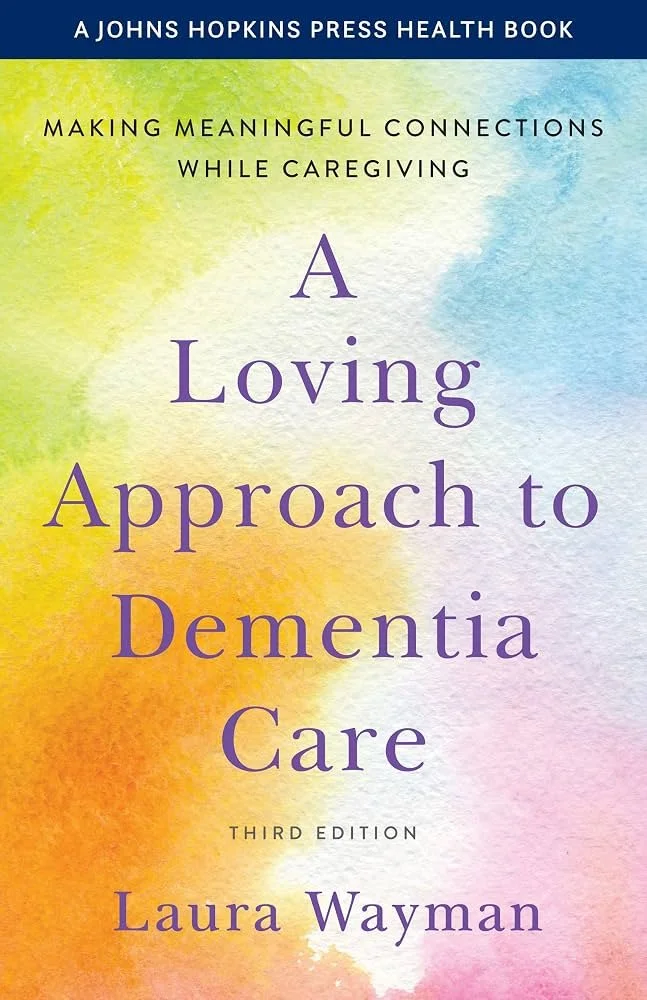
A Loving Approach to Dementia Care
In A Loving Approach to Dementia Care, Laura Wayman, who is known professionally as the Dementia Whisperer, offers practical, compassionate advice on overcoming caregiving obstacles and maintaining meaningful relationships with loved ones who have dementia and memory loss.
-
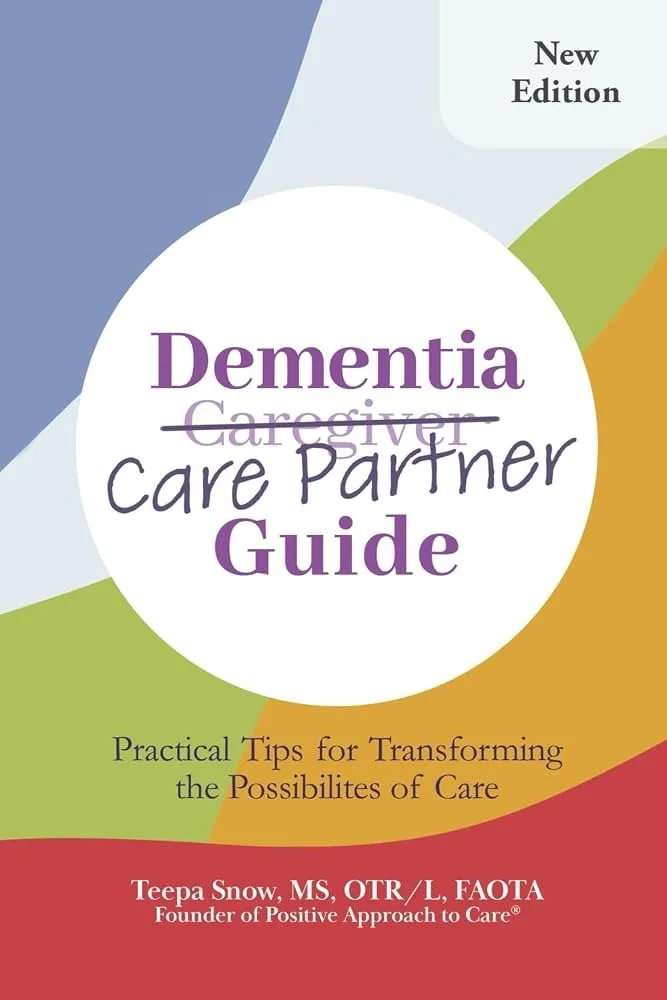
Dementia Care Partner Guide: Practical Tips for transforming the possibilities of care
Teepa Snow's new Dementia Care Partner Guide features many updates from the original Dementia Caregiver Guide, including:
A more in-depth look at the GEMS States of Brain Change, with her updated language and philosophy
New photos to enhance learning, including a step-by-step photo guide to the Hand-under-Hand® support position
Essential information about Positive Action Starters, Positive Personal Connectors, and Visual-Verbal-Touch Cueing
Bonus resource card visual aids -
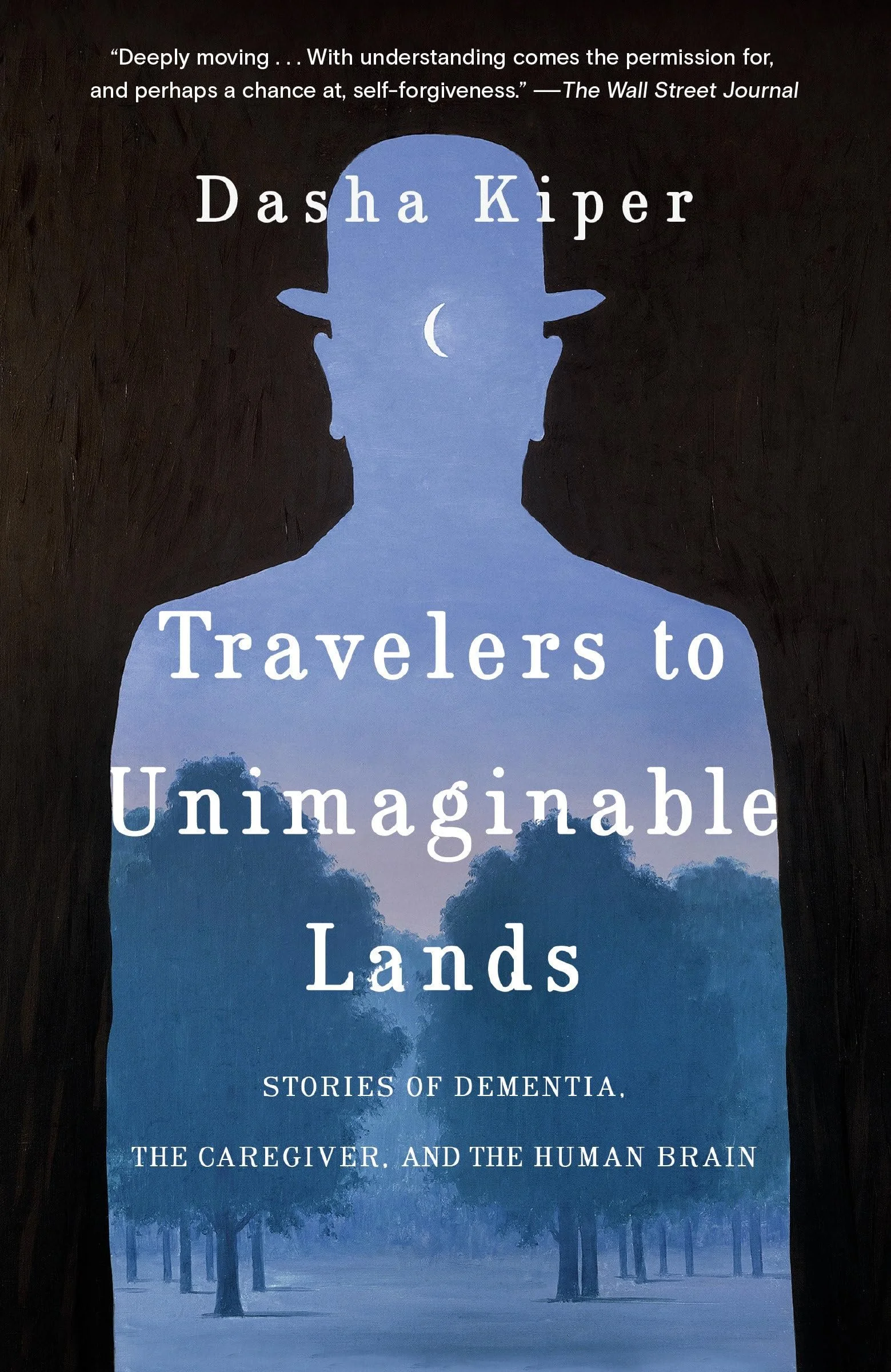
Travelers to Unimaginable Lands
Kiper explains why the caregivers are maddened by these behaviors, mirroring their patients’ irrationality, even though they’ve been told it’s the disease at work. By demystifying the neurological obstacles to caregiving, Kiper illuminates the terrible pressure dementia disorders exert on our closest relationships, offering caregivers the perspective they need to be gentler with themselves.
-
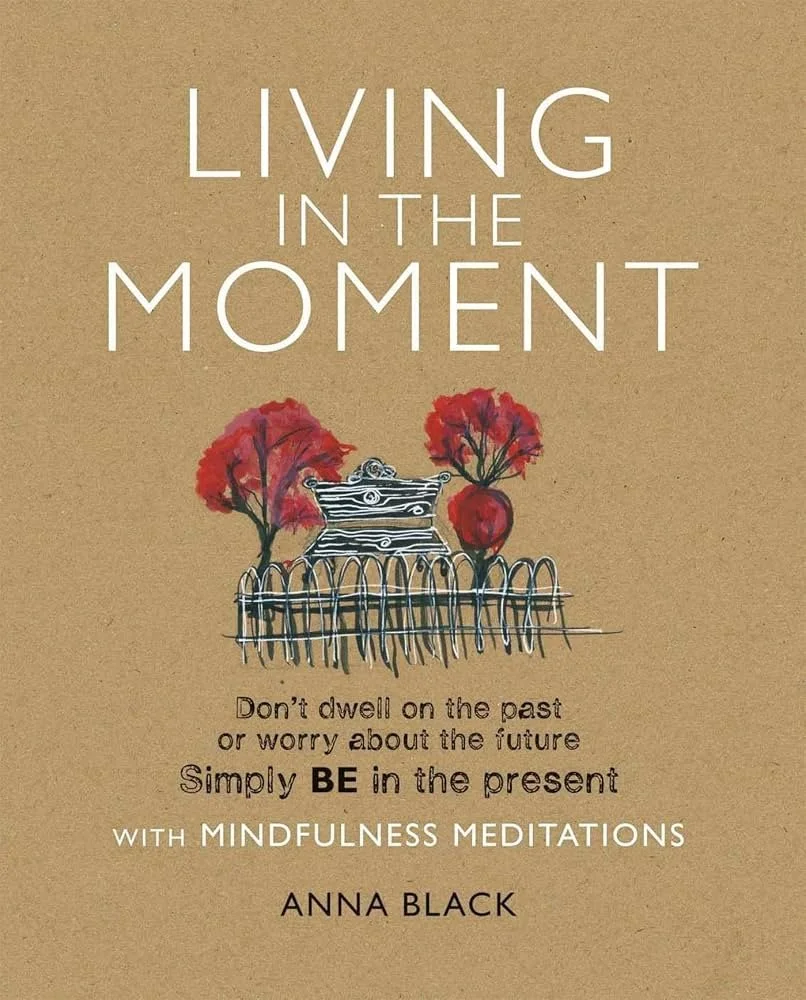
Living in the Moment
Filled with must-have information, practical advice, and unique and comforting insights, here is everything you need to know about caring for your loved one and making his or her life the best possible-starting now, even as the disease progresses. In this book, you'll find: how to create a plan of action for today-and tomorrow-that will help all involved cope with this new normal; how to keep your vulnerable loved one safe and secure-both physically and financially; lifestyle changes, innovative new activities, and holistic interventions that can slow the progression of dementia; comprehensive information on both prescription and OTC medications that can help or hurt dementia patients; and much more.
-
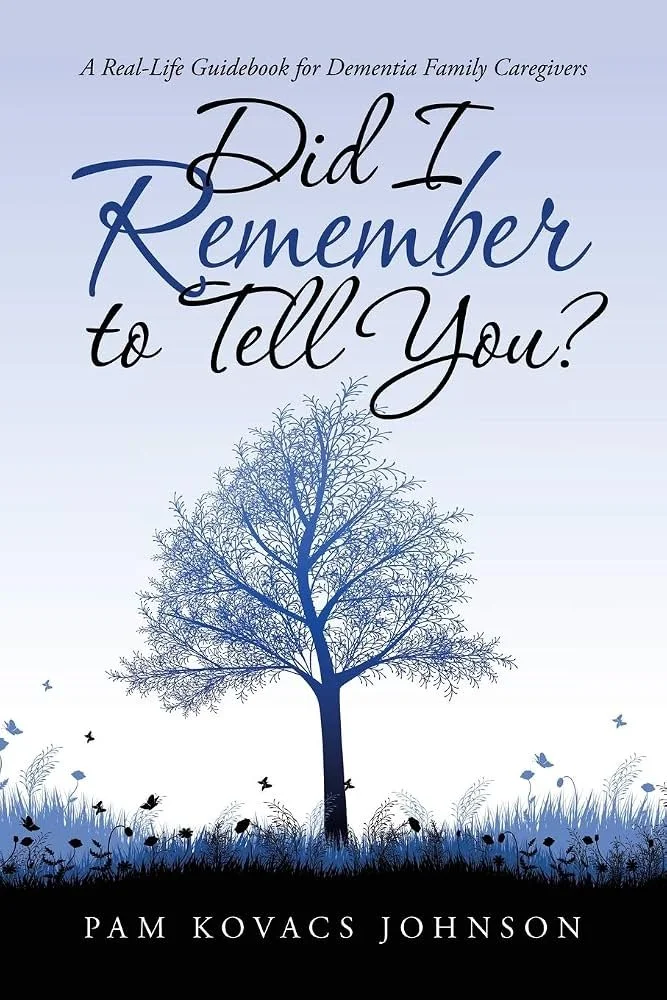
Did I Remember to Tell You?: A Real-Life Guidebook for Dementia Family Caregivers
It is based on Pam Johnson’s professional experience, spanning over forty years working with older adults in a variety of health care settings, coupled with the invaluable personal knowledge she gained while caring for her father.
-

The Dementia Caregiver's Survival Guide: An 11-Step Plan to Understand the Disease and How To Cope with Financial Challenges, Patient Aggression, and Depression Without Guilt, Overwhelm, or Burnout
comprehensive guide -- 202-page for navigating life with dementia book features a complete guide to caregiving, covering everything from the basics of the disease to advanced caregiving strategies
-
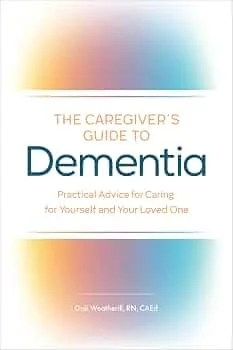
The Caregiver's Guide to Dementia: Practical Advice for Caring for Yourself and Your Loved One
From understanding common behavioral and mood changes to making financial decisions, this Alzheimer's book contains bulleted lists of actions you can take to improve your health and your caregiving. Inspirational and compassionate, it focuses on the caregiver's underlying love and humanity that cannot be taken away by any disease
-
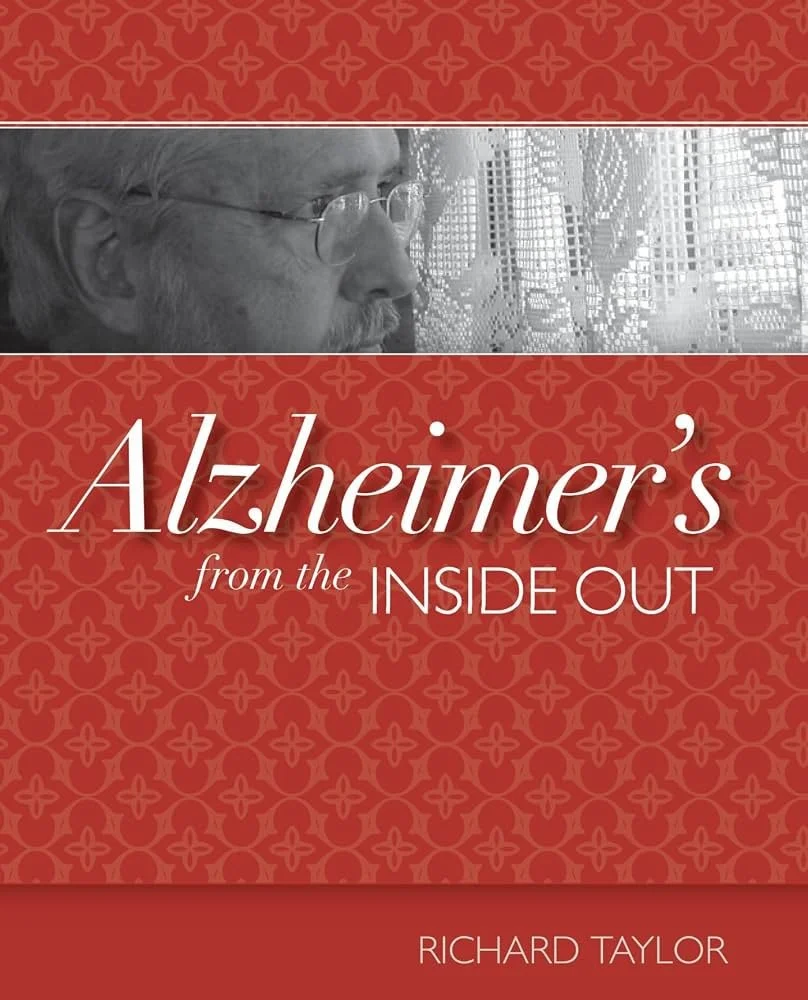
Alzheimer's from the Inside Out
Thoughtful and self-reflective, this collection of illuminating essays offers a rare glimpse into the often incomprehensible world of individuals living with Alzheimer's disease. Diagnosed at age 58, psychologist Richard Taylor shares a provocative and courageous account of his slow transformation and deterioration, and of the growing divide between his reality and the reality of others.
With poignant clarity, candor, and humor, Taylor addresses the complexity and emotions surrounding issues such as the loss of independence and personhood, unwanted personality shifts, the struggle to communicate, changing relationships with loved ones and friends, continuous declines in ability to perform familiar tasks, and never-ending uncertainty about the future.
Get Involved with the TDC Co-Lab
Thanks for your interest! The two main ways to get involved are to:
Participate in a research study.
Become a community research partner.
If you’re interested in participating in a study, click here to learn about current projects.
If you’re interested in becoming a community research partner, you can click here to learn more about what a community research partner is and how to connect with us about this opportunity.