
Community Research Partners are Essential to
Impactful Science and Resilient Communities.

Who is a Community Researcher?
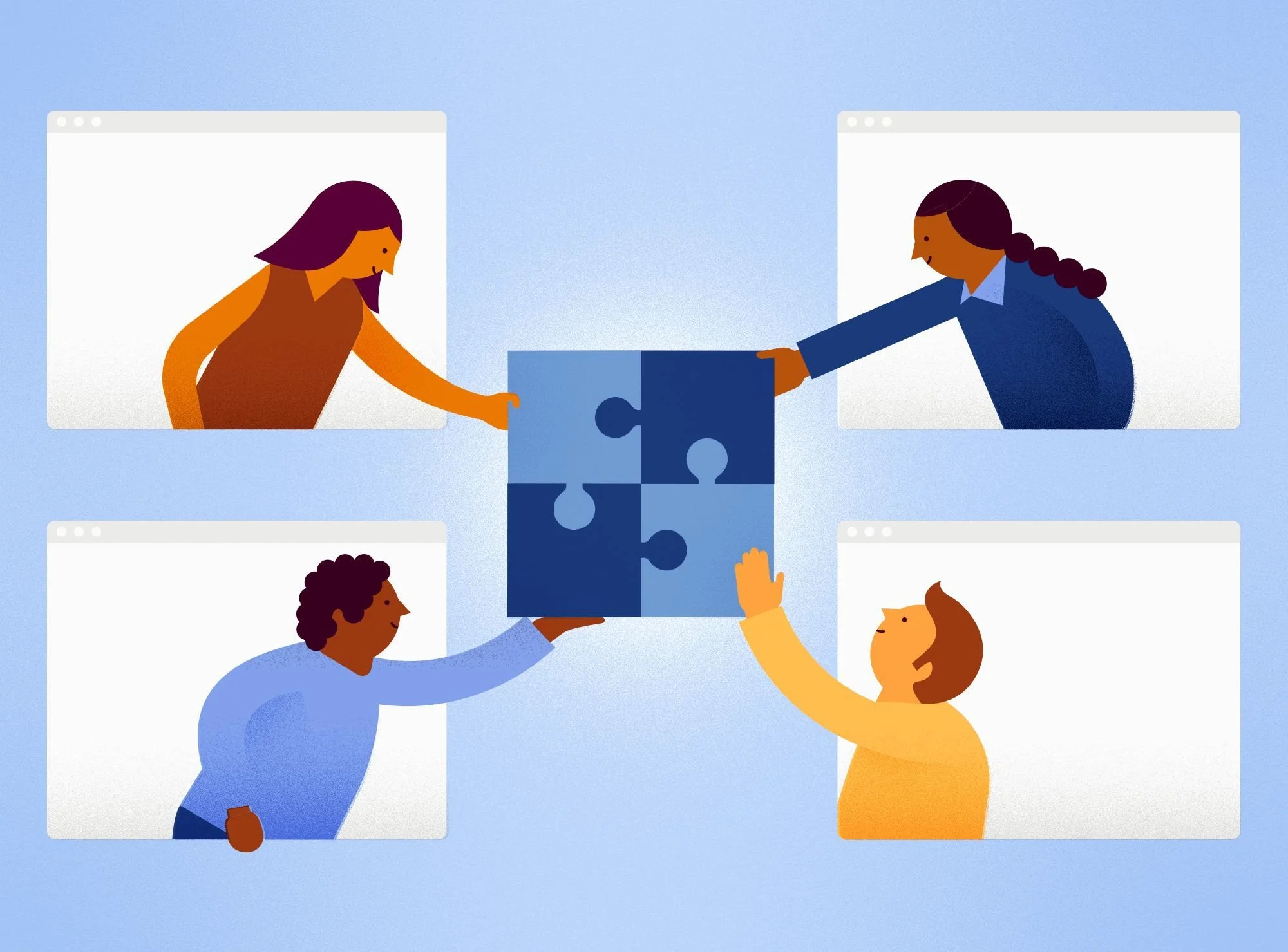
Have you heard the saying, “Nothing about us, without us”? It means research shouldn’t happen without the voices of people who are directly impacted by the work. This is where Community Researchers (CRs) come in.
A Community Researcher (CR) contributes to and/or leads research that drives change in their community. CRs often have “lived experience,” meaning they have direct, personal knowledge and insights gained through firsthand experience in daily life. They work with academic researchers to ensure the right research questions are being asked, that studies are representative of experience and diverse perspectives, and that results don’t stay in a lab but are instead used to positively impact the community. CRs typically work on one or two specific projects with the research team.
No prior research experience is necessary to get involved with the TDC Co-Lab as a CR. If you want to learn more, reach out to us, we’d love to chat!
What is a Community Advisory Board (CAB)?
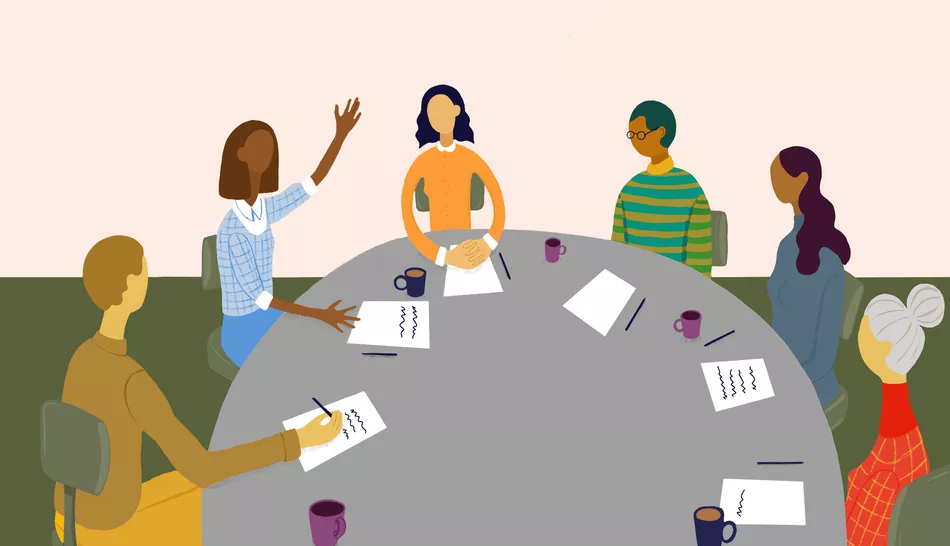
WHAT: A Community Advisory Board (often shortened to CAB) is group of individuals who represent the perspectives and will of the public and who meet with researchers to help guide the direction of research activities done at academic institutions. CABs are essential in community-based participatory research (which is the kind of research the TDC Co-Lab does) as they act as the liaison between the needs and wants of the public and the goals of the researchers. They often review and guide appropriate ethics when studies involve people as participants, connect with community organizations on behalf of the research team, contribute to participant recruitment, relay the needs and wants of the community to researchers, and provide pivotal guidance on best practices in local community engagement. CABs are self-governed. In other words they operate independent of, and are not “under the supervision” of, the researchers they collaborate with. They are not necessarily involved with specific studies but instead provide higher-level input, guidance, and advice about the overarching mission and goals of a research lab.
Interested in learning more? Check out this article co-authored by Dr. Polsinelli, which discusses the importance of CABs in inclusive dementia research!
WHO: Similar to Community Researchers, CAB members often (but not always) have firsthand experience and knowledge relevant to the research activities of the lab. In the case of the TDC Co-Lab this includes people living with dementia, care partners of people living with dementia, healthcare professionals who are involved in dementia care, and people working in community organizations focused on helping older adults and/or people living with dementia.
WHY: CABs are essential to socially responsible research and meaningfully impacting our communities. What does this mean? It means that a CAB helps ensure research breakthroughs don’t remain only in the lab but are communicated to and implemented in the communities that need it most. A CAB also helps ensure that research participants represent the rich and wonderful diversity of our local communities so that scientific advances benefit all of us, not just a few.
If you’re interested in learning more about becoming a CAB member and collaborating with the TDC Co-Lab please reach out to us to learn about current opportunities!
How can my organization get involved with the TDC Co-Lab?
The TDC Co-Lab is always looking for organizational partners, particularly those that serve the needs of older adults, care partners, and people living with cognitive impairment and dementia.
Please reach out and connect with us about opportunities that you might interested in or ways in which the Co-Lab could support what you are already doing in your local community.
Some examples of how we have partnered with organizations include: Giving a talk at a community event or centre, tabling at events, co-creating research projects to support members of the local community, and program evaluation.
If you’re interested in discussing potential opportunities to work together, please send us a message so we can start the conversation!
Get In Touch
If you're interested in working with us or want more information, complete the form with a few details about yourself and what you’d like to connect about. We'll review your message and get back to you as soon as possible.